What JSON Compare Catches Before You Blame the API Contract
Use a technical JSON comparison pass to separate missing fields, type drift, and nesting changes from harmless formatting noise before escalation starts.
Open JSON Compare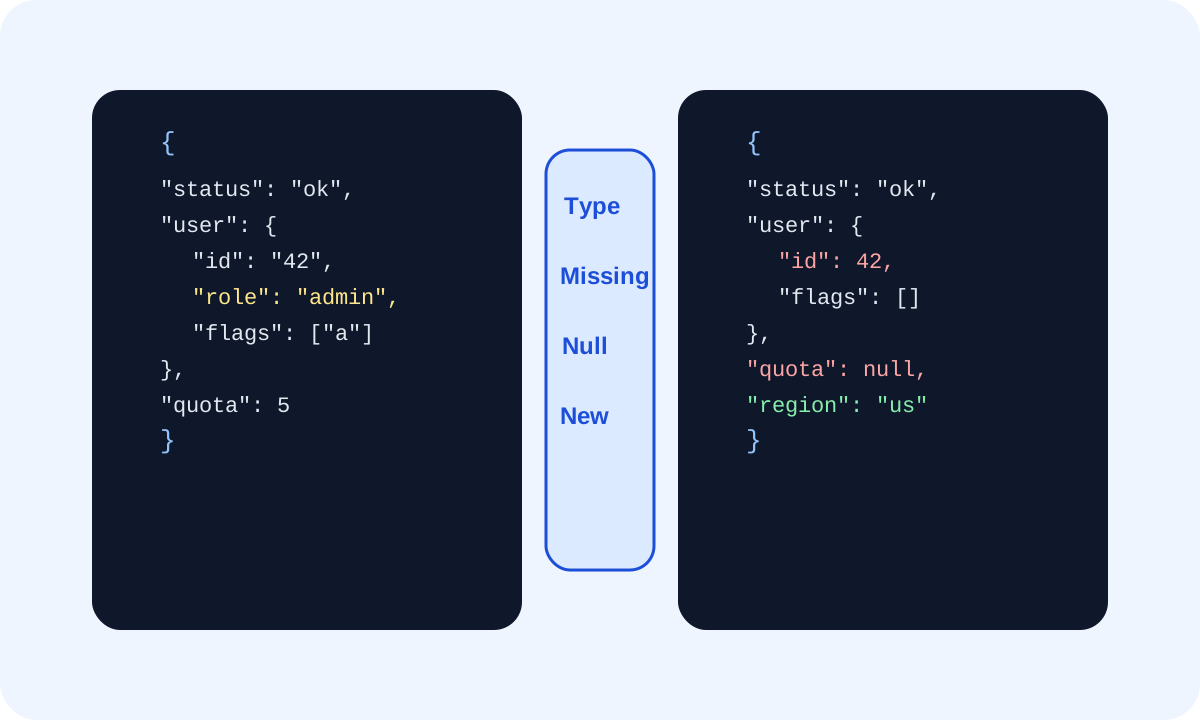
Payload disputes often start too early at the contract level. Someone says the API changed, another person says the frontend parser is brittle, and neither side has named the exact structural difference yet. A JSON compare pass is valuable because it turns that argument into a field-by-field inspection instead of a vague escalation.
The differences that matter most
- A required key disappeared entirely or moved to a new nesting level.
- A value that used to be a string became a number, boolean, object, or null.
- An array item shape changed even though the top-level field name stayed the same.
- An object now arrives empty where downstream code expected populated defaults.
- One environment includes a fallback field while another omits it.
What technical noise should not steal the investigation
Formatting differences, whitespace, and key order can look dramatic in raw logs while changing nothing that a parser actually reads. The comparison step matters because it lets you demote that noise quickly and focus on the differences that alter behavior: presence, type, shape, and semantic value.
Why nested drift is expensive
The costliest regressions often hide one level below the obvious surface. A parent key still exists, but one child value is now optional, renamed, wrapped in another object, or emitted as an array of one. That kind of drift is exactly what breaks deserializers, validation rules, snapshots, and UI assumptions while the top-level response still looks familiar.
A technical review loop
- Capture full payloads from both sides rather than screenshots or log excerpts.
- Format both objects before comparison so nested structure is readable.
- Mark every missing key, new key, type change, and changed nullability before discussing ownership.
- Write the bug or change note around the exact structural delta instead of around the entire response.
- Only after the structural delta is clear should you decide whether the fix belongs in the producer, consumer, schema, or migration layer.
Related UtilFlow moves
Use JSON Validator when syntax may be broken before the comparison even starts. Use JSON to TypeScript next when the comparison shows the contract changed intentionally and client types now need to be regenerated rather than hand-patched.
FAQ
Does a different key order mean the API contract changed?
Not by itself. Contract problems usually come from missing fields, type changes, renamed keys, changed nullability, or different nesting.
Why are nested differences harder to catch by eye?
Because the top-level shape can still look familiar while one child field changes type, disappears, or moves into a different wrapper object.
What should I record after a JSON comparison?
Record the exact fields that changed, how they changed, and which downstream assumptions break because of that structural delta.