Randomize a Speaking Order Once So the Same Three People Don't Open Every Retro
Use a list-randomizer workflow when the real job is not luck for its own sake but a fair speaking order, demo order, or volunteer sequence that stops habitual first-movers from setting the tone every time.
Open List Randomizer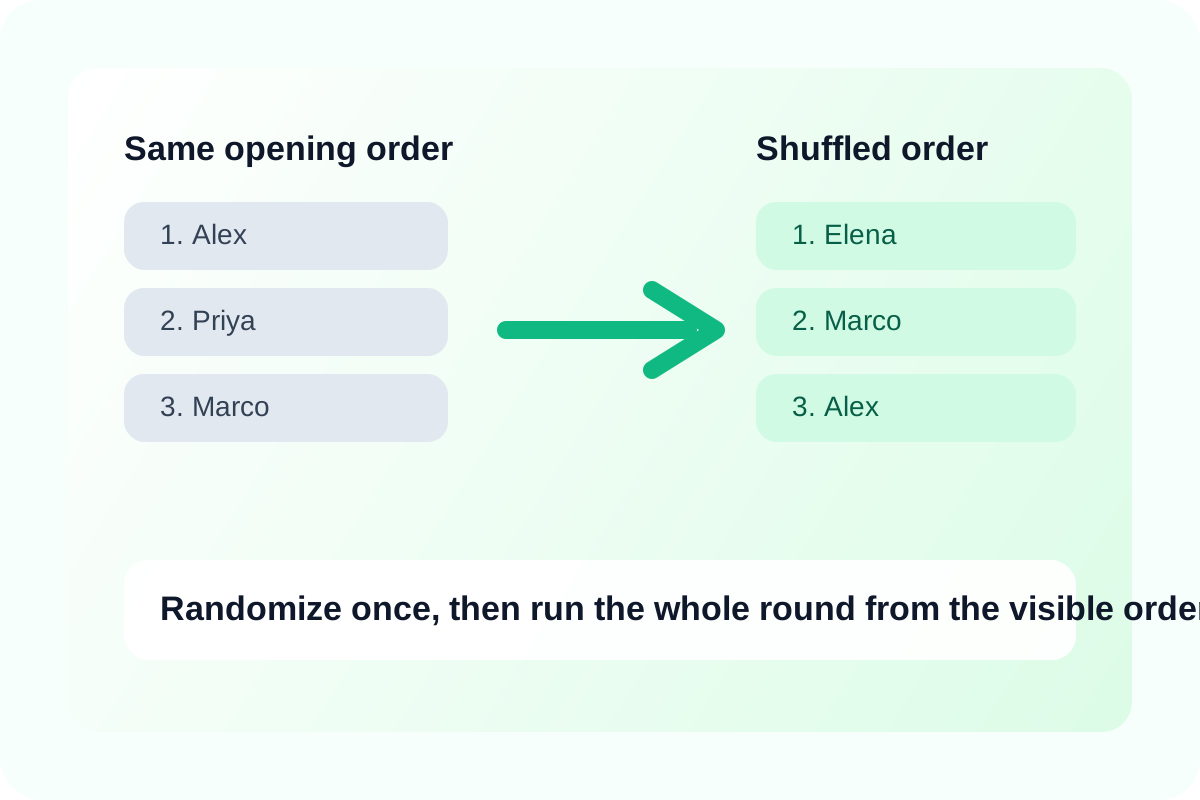
Some meetings feel biased before anyone says anything because the order is predictable. The same confident people open the retro, the same demo owner always goes first, or the same volunteers keep being called early while quieter voices wait until the energy is gone. A simple list-randomizer workflow does not solve team dynamics by itself, but it removes one avoidable pattern that keeps the room tilted.
A fair speaking-order workflow
- Paste the full participant list exactly once so nobody is skipped by memory or convenience.
- Randomize the order before the session begins rather than improvising names in the moment.
- Read the shuffled sequence back once so everyone can see the process was neutral.
- Use that order for the full round instead of re-randomizing every individual turn unless the group explicitly wants that.
- Save or copy the final order into the meeting note when the group needs a visible run-of-show.
Where this workflow helps most
- Retrospectives where the first speaker tends to frame the whole tone of the discussion.
- Classroom or workshop check-ins where fairness matters more than speed.
- Short demo rounds where everyone should know when they are up.
- Volunteer or giveaway sequences where people need to trust the order was not hand-picked.
What to decide before you shuffle
Decide whether the group needs one order for the whole session or a fresh shuffle for separate rounds. Also decide whether any names should be temporarily excluded for time-zone, presenter-readiness, or accessibility reasons before the list is randomized, not after someone sees the outcome.
Why this is better than ad hoc picking
Manual picking feels harmless until the same social defaults keep reappearing. A visible randomized order reduces suspicion, spreads the opening burden more evenly, and helps the facilitator focus on the conversation rather than on explaining why one person was chosen before another.
Related UtilFlow moves
Use Checklist Maker if the next step is turning the speaking order into a facilitation run sheet. If the session needs one random pick rather than a full sequence, Random Number Generator may be the cleaner tool.
FAQ
Should I randomize the order in front of the group?
Usually yes, because visible randomization makes the fairness of the process easier to trust.
When should I avoid re-randomizing during the session?
Avoid it when the group mainly needs predictability after the initial shuffle so people know when their turn is coming.
What should I do before shuffling names?
Make sure the participant list is complete and decide any legitimate exclusions before the order is generated.