Why PSI, Bar, and kPa Stop Matching When the Reference Context Goes Missing
Use a pressure converter when the number is not the only problem and the real risk is that the surrounding context dropped the unit system, reference pressure, or operating condition.
Open Pressure Converter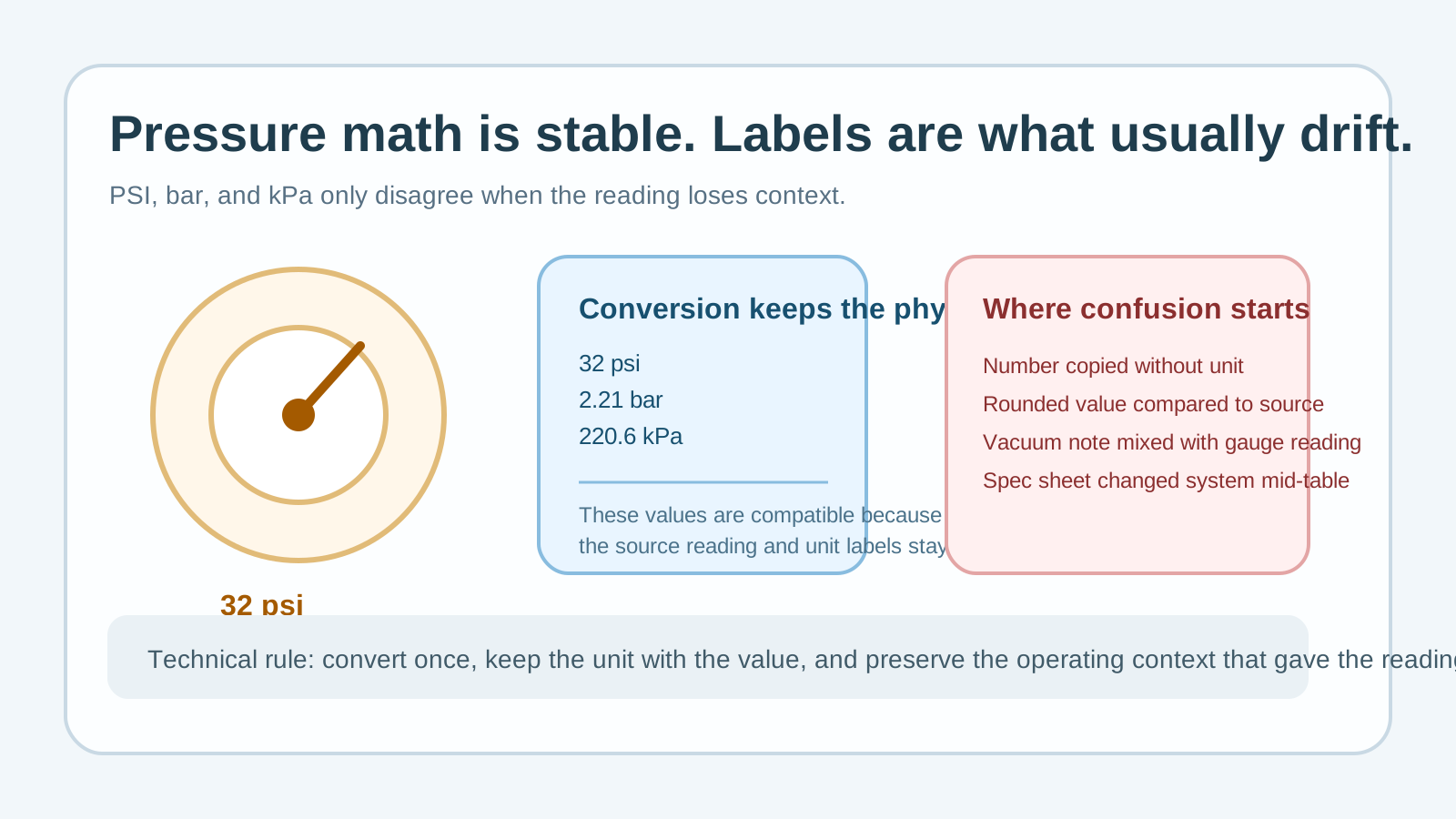
Pressure numbers look interchangeable until the note that carried them lost its context. A technician copies 32 psi into a sheet that expects kPa. A supplier spec lists bar. A lab note switches to torr. Then the team argues about whether the readings disagree when the first failure was simply that the unit label stopped traveling with the number.
The technical principle to keep straight
Pressure conversion itself is deterministic. The harder part is interpretation. A value only makes sense when the unit system is visible and the reading context is still attached: tire target, line pressure, vacuum reading, atmospheric reference, or another operating condition. The conversion tool gives you the math; you still need the label discipline around it.
Where engineers and operators trip
- A spec sheet mixes SI and imperial numbers across tables and one value gets copied without its unit.
- A dashboard or maintenance log stores only the number because the unit was assumed to be obvious.
- A vacuum or lab note uses torr while adjacent documents use kPa or atm, which invites false comparisons.
- A customer-facing summary rounds the converted value so aggressively that it stops looking consistent with the source reading.
A safer conversion habit
- Start from the source reading exactly as recorded, including unit label.
- Convert once into the target system the recipient actually uses, whether that is psi, bar, or kPa.
- Keep both values together when the converted number will be checked later against the original source.
- Round only at the presentation layer, not during the intermediate calculation, if the exact relationship still matters.
- If the reading is tied to equipment state or operating conditions, copy that note with the number instead of sending a bare value.
Related UtilFlow moves
If the discussion is really about speed, power, or energy units crossing the same metric-imperial boundary, continue with the matching converter instead of forcing one pressure tool to explain everything. For technician-facing docs, pair the final converted value with a checklist or table so the unit label stays visible at the handoff point.
FAQ
Why do pressure numbers seem inconsistent across documents?
Often because the same physical reading is being shown in different units or because the unit label was dropped during copying.
Is converting psi to bar or kPa technically difficult?
No. The math is straightforward. The bigger risk is comparing values that lost their source unit or surrounding measurement context.
When should I keep both source and converted values?
Keep both when another person may need to verify the number against the original spec, sensor reading, or service note later.