Convert Watts, Kilowatts, and Horsepower Before You Misread a Spec Sheet
Use a power converter when appliance, motor, HVAC, generator, or equipment specs switch units and make the comparison look simpler than it really is.
Open Power Converter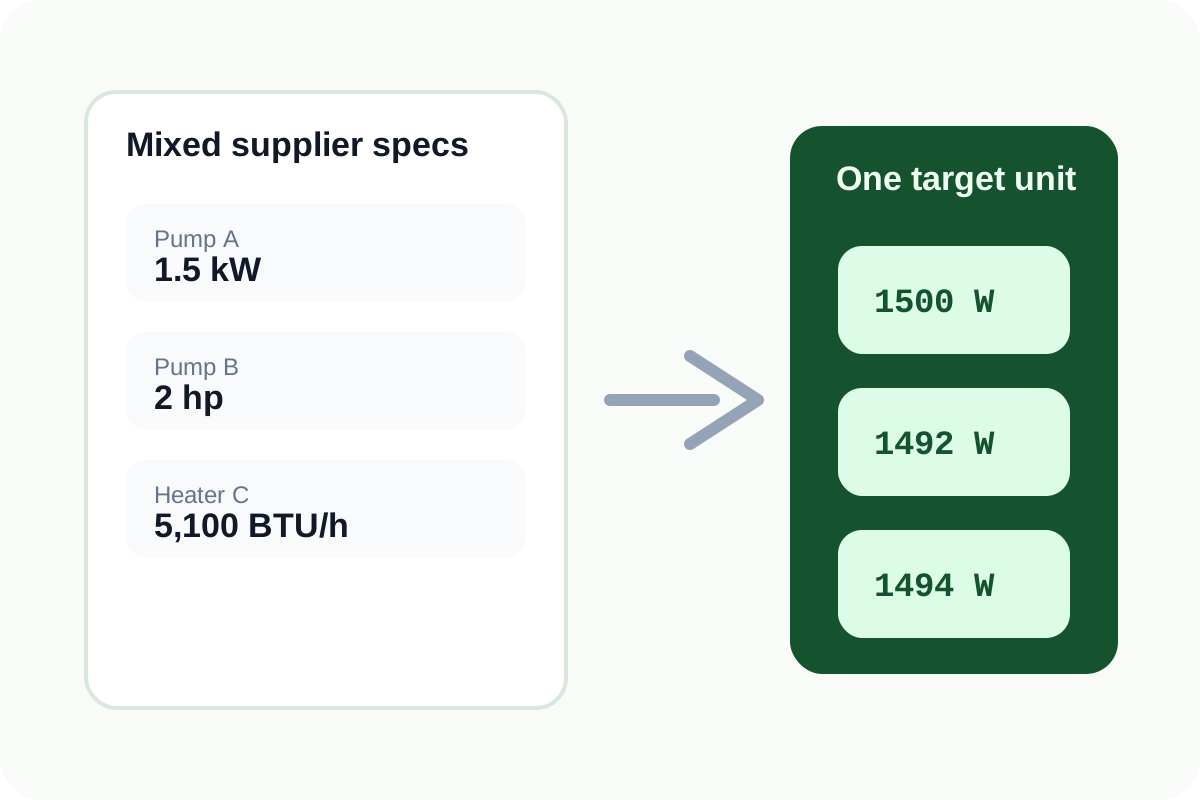
Spec sheet confusion often comes from unit mismatch rather than from missing data. One product lists 1.5 kW, another lists 2 hp, and a third uses BTU per hour. The numbers look unrelated even when the products are close enough to compare. A power converter helps you move everything into one unit before you decide what the spec actually means.
Where this problem shows up
- Comparing motors, pumps, compressors, or generators from different suppliers.
- Reading HVAC and appliance documents that mix energy and power language.
- Checking whether a circuit, outlet, or backup system matches the equipment load.
- Preparing an internal note or client summary where one consistent unit will reduce confusion.
Why the wrong unit leads to the wrong decision
People often compare the raw numbers without converting them first. That can make a higher number feel stronger even when it is simply expressed in a smaller unit. Bringing the options into watts or kilowatts first gives you a fair comparison before you discuss efficiency, runtime, or cost.
A safer comparison workflow
- Pick one target unit for the whole conversation, usually watts or kilowatts.
- Convert every quoted value into that shared unit before ranking options.
- Label the converted values clearly in your notes so the original vendor unit does not get mixed back in.
- Only after unit cleanup, compare the equipment on the practical questions that matter next.
What this tool does not replace
A unit conversion does not explain duty cycle, startup load, efficiency, voltage compatibility, or environmental conditions. It only removes the first layer of confusion so the rest of the technical decision can happen on comparable numbers.
FAQ
Why convert horsepower to watts before comparing equipment?
Because the same capability may be described in different units, and comparing the converted values first avoids misleading raw-number comparisons.
Is kilowatt the same thing as kilowatt-hour?
No. Kilowatt is a power rate. Kilowatt-hour is an energy amount over time.
What should I compare after converting the units?
Compare efficiency, duty cycle, startup behavior, and the real operating requirements after the power units have been normalized.