Read kg, lb, oz, and stone correctly before a weight entry drifts
Use a weight converter when one value has to survive a handoff between shipping, product specs, gym logs, recipes, or everyday notes without unit confusion.
Open Weight Converter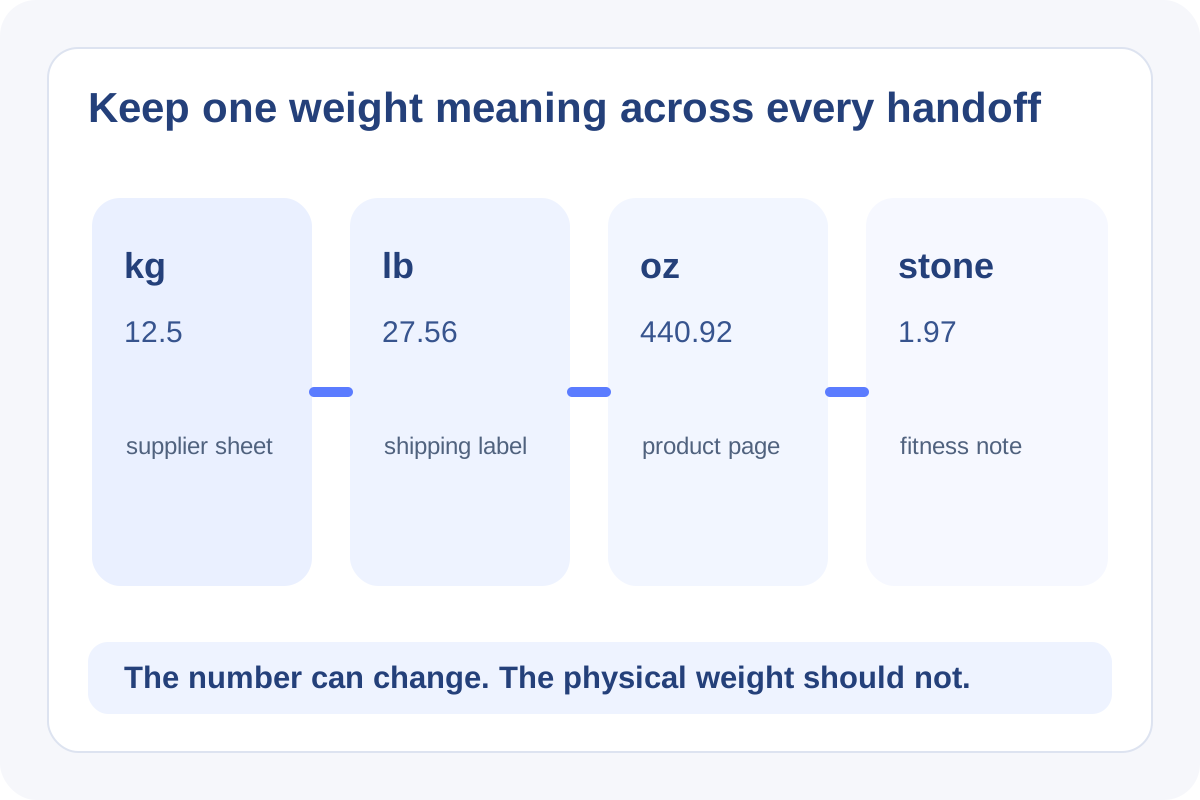
Weight mistakes are usually small enough to look believable. A parcel label still prints, a product page still publishes, a workout note still looks tidy, and a recipe card still feels complete. The trouble is that kilograms, pounds, ounces, grams, and stone can describe the same thing with very different-looking numbers, so one unchecked conversion quietly changes the meaning of the record.
Where the drift usually starts
- A supplier sends product weight in kilograms but the marketplace listing expects pounds or ounces.
- A parcel carrier uses pounds while the internal picking note was written in grams.
- A fitness log mixes body weight in kilograms with coaching notes written in pounds.
- A recipe or food-prep note switches between grams and ounces halfway through the same task.
The practical problem is trust, not arithmetic
Most people are not doing the multiplication by hand. They are copying values between systems that each assume a different unit is the default. A weight converter matters because it keeps the original quantity intact while you change only the label and scale.
A safer conversion habit
- Keep the source value visible until the destination field is filled so the original quantity is never lost.
- Convert once into the exact unit the next system expects rather than rounding early into an approximate note.
- Copy the number with its unit label together, especially when several weight fields appear in one sheet or form.
- If the result will be reused later, store both the source and converted value in the same note or handoff.
Why ounces and stone cause outsized confusion
Ounces often show up in packaging, recipes, and product detail pages where small mistakes compound quickly. Stone shows up less often, which makes it easier to misread or ignore entirely. The converter is helpful precisely because it normalizes unfamiliar units before they become somebody else's downstream problem.
Related UtilFlow moves
If the next issue is liquid capacity rather than mass, switch to Volume Converter. If the same handoff also includes dimensions, use Length Converter so the weight and measurement records stay consistent together.
FAQ
When is a weight converter most useful?
It is most useful when the source and destination use different default units, such as kg versus lb, or grams versus ounces, and the same value must remain trustworthy across the handoff.
Why should I keep the unit label next to the number?
Because a believable number without its unit is easy to reuse incorrectly later, especially in shipping, product, and fitness workflows.
Can I use this for pounds, ounces, kilograms, grams, and stone?
Yes. The tool is built for common weight and mass conversions across everyday, retail, shipping, and record-keeping tasks.