Pick a Fair Random Number Before a Draw, Sample, or Seat Choice Gets Argued
Use a random number generator when the real task is not math but creating a simple result people can accept as neutral.
Open Random Number Generator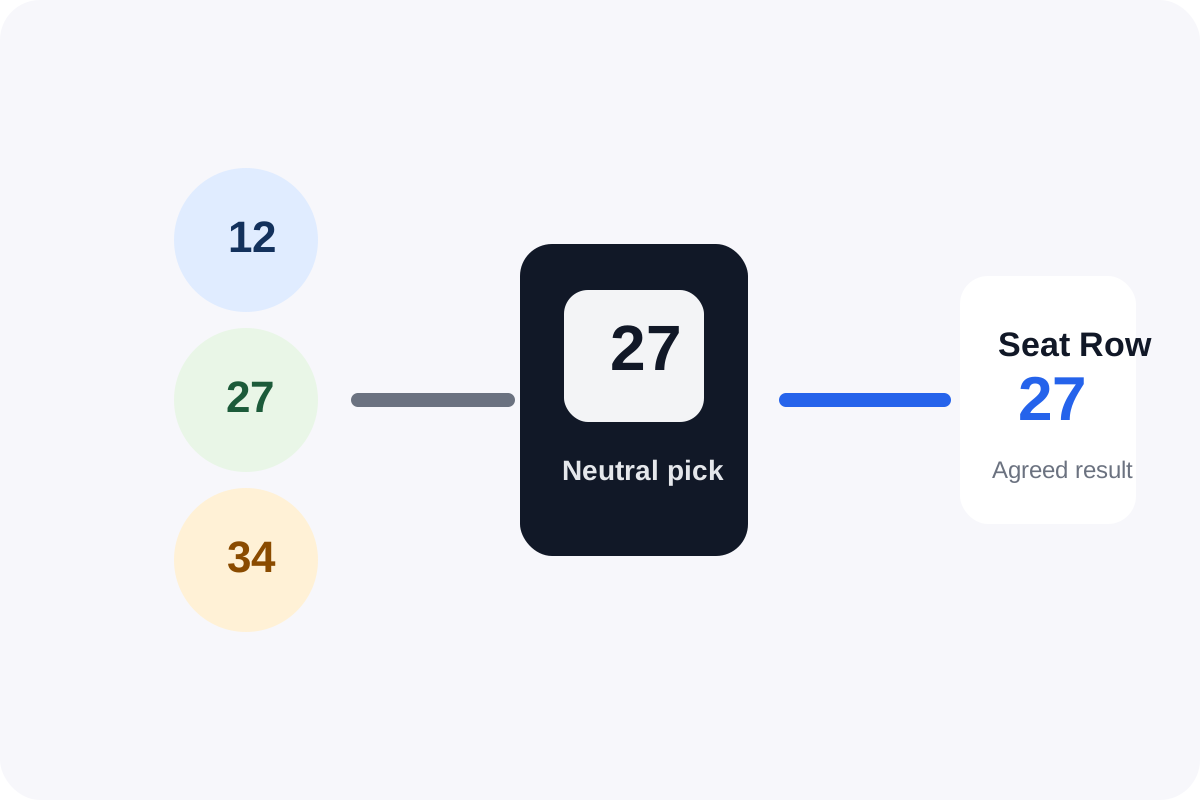
Sometimes the hard part is not generating randomness. It is making the choice feel neutral enough that nobody wastes time debating the method afterward. A quick random number generator helps when you need one accepted pick for a seat map, raffle, call order, sample row, or small decision where manual choice would invite unnecessary argument.
The practical problem
Many low-stakes selections still create friction because the group does not trust ad hoc judgment. Picking a row 'by feel' or choosing the first volunteer may be faster in the moment, but it can look biased afterward. A bounded random-number workflow creates a simple record of how the selection happened.
Where this helps most
- Choosing one person, row, or slot from a numbered set.
- Assigning a neutral speaking order when several options would work.
- Selecting a quick sample row range before a deeper data review.
- Running a classroom, retro, giveaway, or workshop choice without dragging the group into the method.
A fair-use workflow
- Define the range clearly before generating anything so everyone agrees what the numbers represent.
- Generate the result once the options are final rather than changing the range after seeing the outcome.
- Record or repeat the chosen number immediately in your note, sheet, or message so the handoff stays clear.
- If the real task is randomizing a whole list, switch to List Randomizer instead of forcing a sequence problem into a single-number tool.
What this solves better than spreadsheet friction
The tool removes setup overhead. You do not need to open a spreadsheet, remember a formula, or explain why one person was allowed to choose the random method manually. The value is the clean handoff from options to accepted selection.
Related UtilFlow moves
Use Random Number Generator for a bounded numeric pick. Use List Randomizer when the source is a set of names or ideas that should be shuffled directly instead of mapped onto numbers first.
FAQ
When should I use a random number generator instead of a list tool?
Use it when the options already map cleanly to numbers, such as seat positions, sample rows, or numbered entries.
What makes a random pick feel fair in practice?
The range should be agreed first, the selection method should be neutral, and the result should be recorded clearly without changing the options afterward.
Why not just choose manually for a small decision?
Because even small decisions can create avoidable debate when the selection method looks subjective.