Extract the Visual Pages, Run a PDF to PNG Pass, Crop the Figures, and Rebuild One JPG to PDF Handout
Use a chained workflow when a long report contains only a few pages worth sharing as visuals: extract the needed PDF pages, convert them with a PDF to PNG pass, crop the figures cleanly, and rebuild one JPG to PDF handout only when the image set is ready.
Open Extract PDF Pages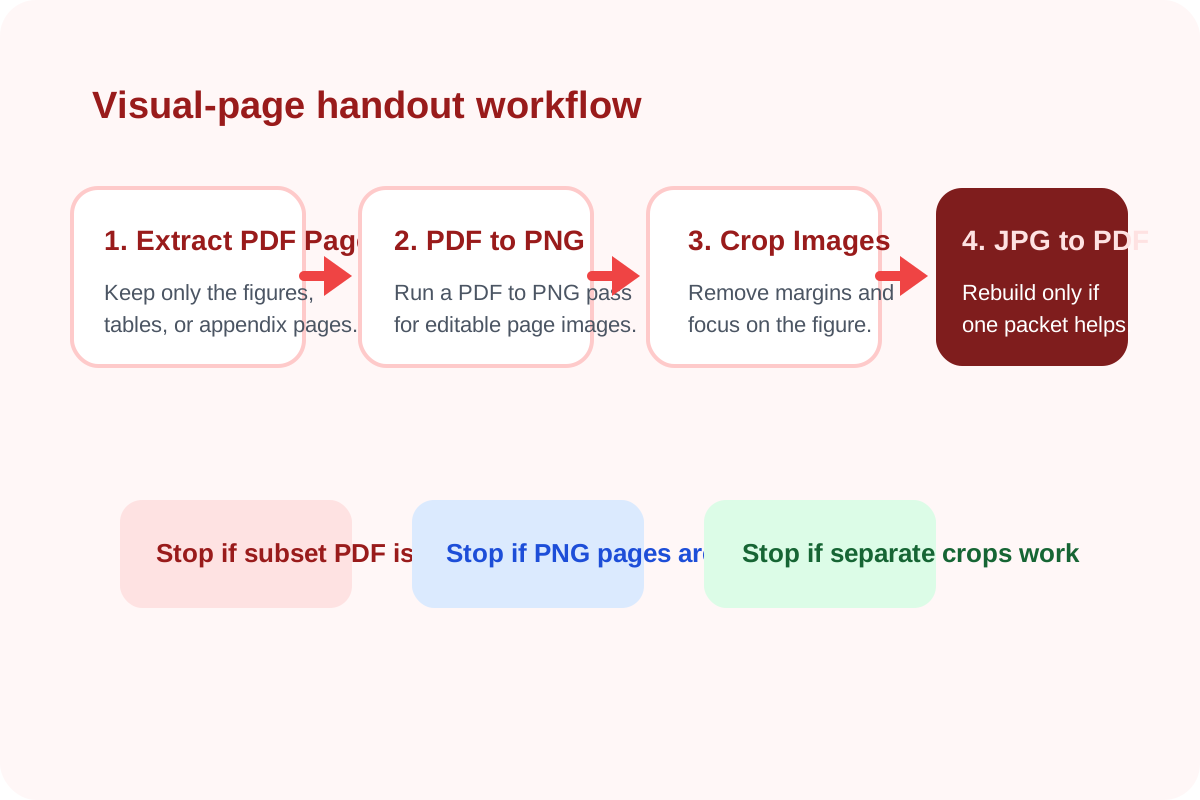
A report, appendix, or slide export often contains only a few pages that actually need to travel onward as visuals. The fastest route is not sending the whole document again. It is extracting the needed pages first, running a PDF to PNG pass so each page becomes a workable image, cropping the figures or margins that do not belong in the handout, and rebuilding one JPG to PDF or image to PDF file only when the visual set is actually ready.
The tool order
- Start with Extract PDF Pages so only the pages that matter move forward.
- Continue to PDF to Images when those selected pages need a PDF to PNG review or editing pass.
- Use Image Cropper when the page image contains extra margins, blank space, or surrounding layout that should not survive into the handout.
- Finish with Images to PDF only when the cropped image set now belongs together as one downloadable JPG to PDF or image to PDF packet.
When to stop and download
- Stop after Extract PDF Pages if the job was only to send a smaller subset of the original report.
- Stop after PDF to Images if the team needs the pages as standalone PNG images for slides, tickets, or chat.
- Stop after Image Cropper if the final destination accepts separate images and does not need one combined file.
- Continue to JPG to PDF or image to PDF only when the recipient benefits from one ordered visual packet.
What to check after each step
- After Extract PDF Pages: confirm the selected page count and order match the actual story you want to share.
- After the PDF to PNG pass: confirm text, diagrams, or annotations are readable at the exported resolution.
- After cropping: confirm you did not cut off captions, legends, or reference labels that matter later.
- After the final JPG to PDF rebuild: confirm the new page sequence feels intentional and the file is light enough for the delivery channel.
Why these PDF terms belong in the workflow
The current PDF search cluster still leans toward action phrases people use at the handoff point, not abstract document management language. In this run I used the growing PDF terms pdf to png and jpg to pdf because they match the exact middle and final steps of the workflow: first turn the chosen pages into workable images, then rebuild one packet only if the combined file is still the right finish.
Related UtilFlow moves
If the rebuilt handout is still too heavy, continue to Compress PDF last. If the page images need resizing rather than cropping, move through Image Resizer before the final image to PDF step.
FAQ
Why extract pages before running PDF to PNG?
Because converting only the pages you actually need keeps the later image-editing steps smaller, faster, and easier to review.
When should I keep the result as PNG images instead of rebuilding a PDF?
Keep the PNG files when the next destination is slides, chat, tickets, or another image-friendly workflow and one combined document is unnecessary.
Why rebuild as JPG to PDF or image to PDF only at the end?
Because separate images are easier to crop and review. The final rebuild should happen only after the visual set is already correct.