Convert MPH, km/h, m/s, and knots before one speed number means four different things
Use a speed converter when one number travels between road, marine, fitness, or technical contexts and the unit label is the only thing keeping the note honest.
Open Speed Converter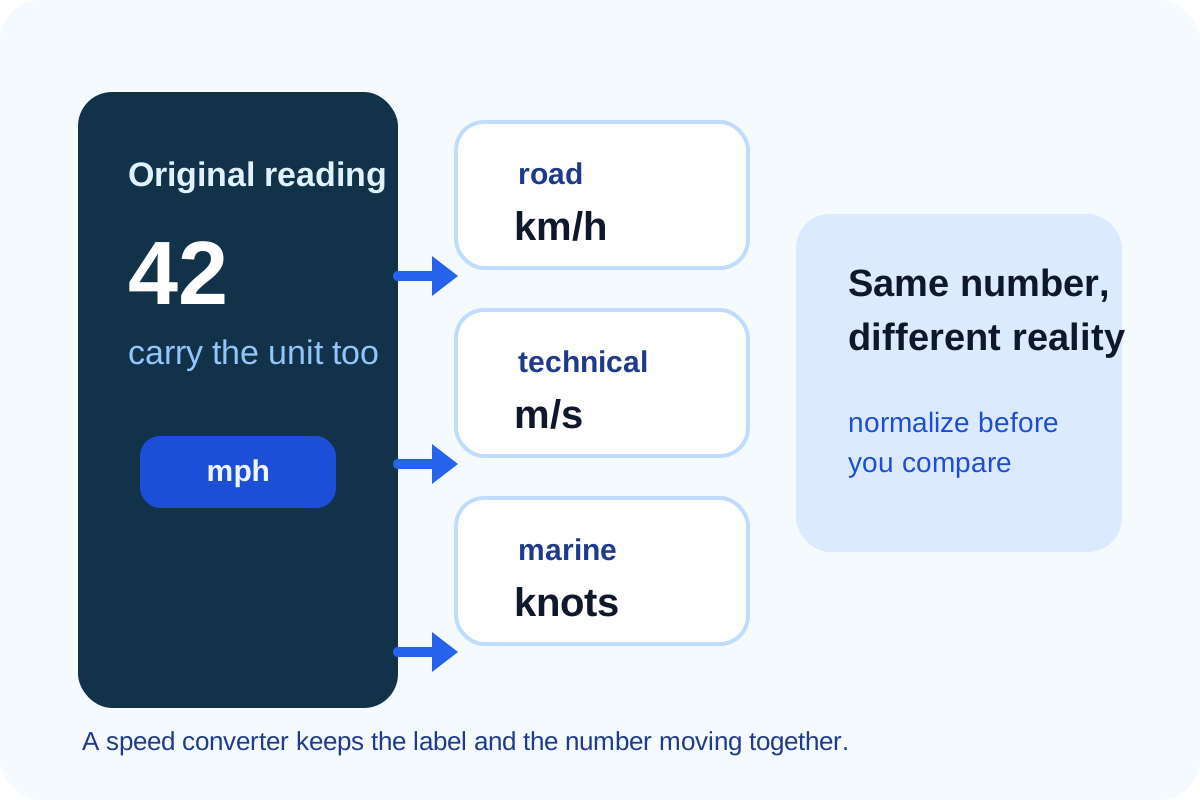
Speed errors rarely come from difficult math. They come from the same number being copied into a different context without the unit traveling with it. A boat speed in knots, a running pace note converted from meters per second, a vehicle spec listed in km/h, or a wind reading quoted in mph can all look interchangeable until someone acts on the wrong label.
Where one speed label turns unreliable
- A product sheet mixes km/h and mph because one source is international and another is local.
- A weather or marine note quotes knots while the rest of the team thinks in mph.
- A lab, robotics, or physics example uses meters per second while the summary deck rewrites the figure into road-speed language.
- A travel or motorsport discussion compares speeds from several countries without normalizing the units first.
A safer conversion check
- Start with the original number and confirm the source unit before typing anything into the converter.
- Convert only once into the destination unit the next reader actually expects.
- Copy the converted value together with its unit label instead of pasting the number alone.
- If several speed figures appear in one note, normalize all of them into the same destination unit before comparison.
- Do one quick reasonableness check so an implausible value does not survive a copy mistake.
Why this tool matters more than mental math
Mental conversion works until the workflow gets crowded. Once several values, different audiences, or multiple source systems enter the picture, the real task is consistency. A speed converter gives you one clean reference point so the final comparison is about the speeds themselves rather than about whether someone silently switched units halfway through.
Related UtilFlow moves
If the same spec sheet also mixes distance or fuel labels, continue into Length Converter or Fuel Economy Converter so the entire note uses one measurement language instead of only fixing the speed field.
FAQ
When should I convert knots instead of leaving the original value?
Convert knots when the next reader expects mph, km/h, or m/s and the goal is easy comparison rather than preserving the original marine convention.
Why is the unit label more important than the number alone?
Because the same number means very different real-world speeds depending on whether it represents mph, km/h, m/s, or knots.
What is the safest way to compare several speeds from different sources?
Normalize every value into one destination unit first, then compare the numbers only after the labels are consistent.