Convert mL, Liters, Cups, and Gallons Before a Batch Size or Container Plan Drifts
Use a volume-conversion tutorial when the same product, recipe, or supply plan keeps crossing metric and US customary units.
Open Volume Converter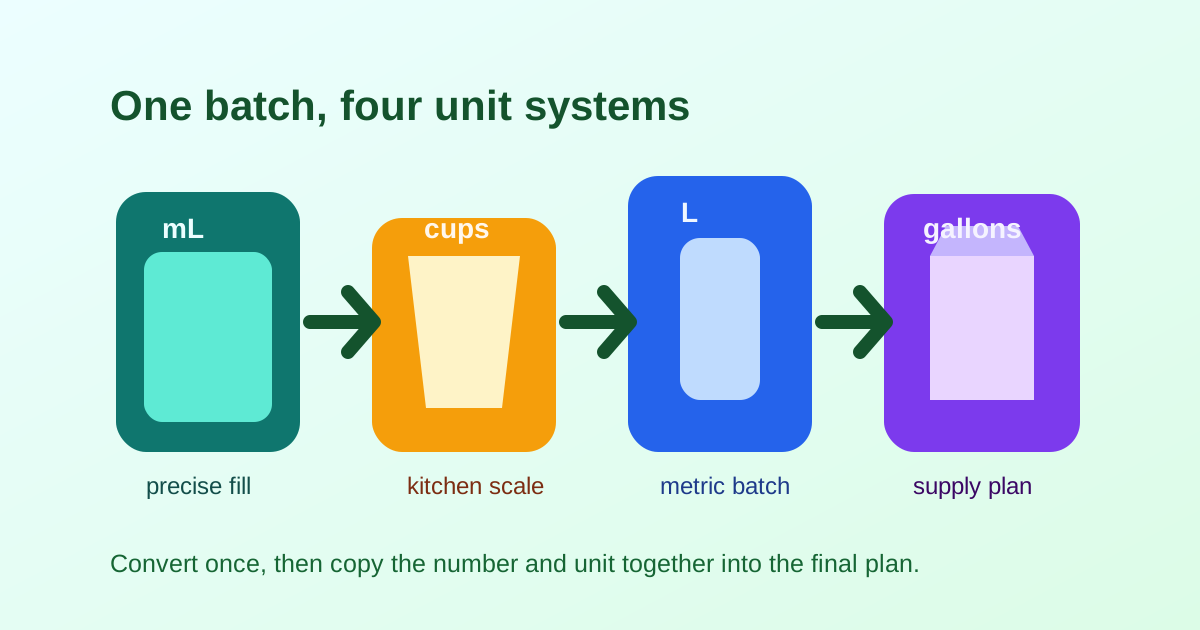
Volume mistakes look small until they multiply. A recipe gets scaled from cups to liters, a cleaning supply order switches between gallons and milliliters, or a product fill target is copied into the wrong unit column. A volume converter tutorial is useful because it turns those repeated cross-system checks into one visible workflow instead of a patchwork of remembered reference values.
A simple tutorial workflow
- Start from the exact source value and source unit instead of rounding it mentally before conversion.
- Choose the destination unit based on the actual audience or container plan: milliliters for precision, cups for kitchen work, liters for larger metric packaging, or gallons for larger US customary planning.
- Read the converted value with its unit label together so the number does not get separated from the system it belongs to.
- Round only at the point where the destination task allows it, such as a label, recipe card, or planning note.
- Copy the final number and unit together into the sheet, recipe, label, or order note.
Where this tutorial helps most
- Scaling drink or sauce batches across metric and US recipes.
- Matching fill volumes to bottle or container sizes.
- Translating supply or chemical instructions from one system into another.
- Checking whether several smaller containers equal one larger purchasing unit.
Why the unit label matters as much as the number
A clean conversion can still fail if the number gets copied without the unit. 500 means nothing by itself when one person assumes milliliters and another reads cups or liters. The handoff becomes safer when the converted number stays attached to the destination unit all the way into the final note.
What to round carefully
Round aggressively only when the destination task is approximate, such as a rough shopping plan. Keep more precision for batching, packaging, labels, or repeated process instructions where small losses add up.
Related UtilFlow moves
If the same workflow also changes ingredient weight, pair this with Weight Converter instead of guessing density. If the next question is ratio rather than unit scale, move to Percentage Calculator or another sizing tool that matches the actual decision.
FAQ
When should I convert cups to milliliters instead of approximating?
Convert directly when the task will be repeated, labeled, packaged, or scaled, because small approximations can drift over several steps.
Should I round volume conversions immediately?
Only when the destination task allows a rough value. Keep more precision for packaging, batching, or formal instructions.
Why copy the number and unit together?
Because the most common handoff mistake is separating the value from the unit system and letting someone else interpret it incorrectly.