Compare MPG, L/100km, and km/L on One Route Before a Car Cost Check Turns Into Unit Theater
Use a fuel economy converter as a practical tutorial when mixed vehicle listings, rental options, or fleet notes keep making one route or model look cheaper only because the efficiency units changed.
Open Fuel Economy Converter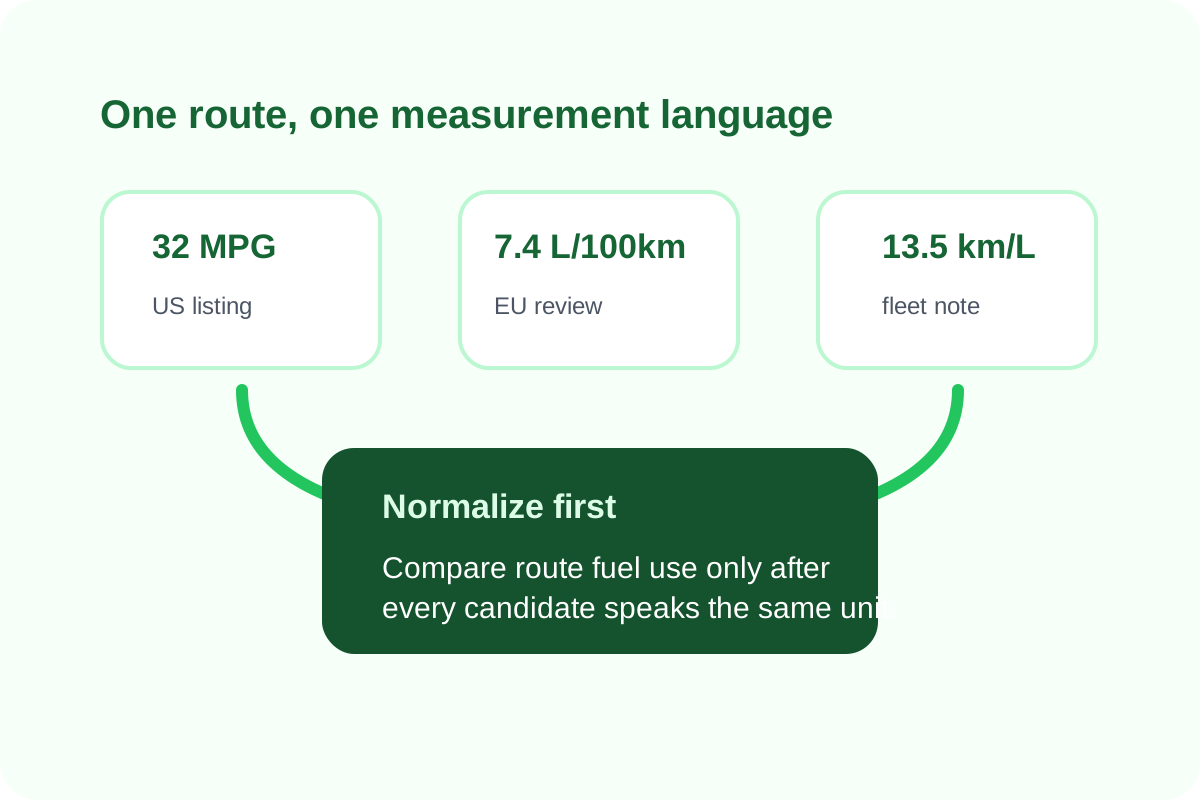
Vehicle comparisons get noisy fast when one listing uses MPG, another uses L/100km, and a regional note mentions km/L. Then the conversation drifts into unit theater instead of operating cost. A fuel economy converter gives you one shared measurement before you compare a rental, a fleet replacement, or a long route assumption.
Where mixed units create fake conclusions
- A US vehicle spec is being compared with a European review or rental listing.
- A fleet team is discussing route cost while different spreadsheets store different fuel economy units.
- A travel or relocation plan mixes manufacturer numbers with local marketplace numbers.
- A more efficient-looking option may only look better because the unit expression changed.
A quick fuel-economy tutorial
- Pick one comparison unit for the whole conversation before you start judging any vehicle.
- Enter the original published value exactly as listed, whether it is MPG, L/100km, or km/L.
- Convert every candidate into the same destination unit.
- Use the unified numbers to estimate route fuel use or cost only after the units are aligned.
- Document the chosen unit in the sheet or memo so the next comparison does not restart the same argument.
Why L/100km often changes the conversation
MPG rewards bigger-is-better intuition, while L/100km frames the question as fuel consumed to travel a fixed distance. That can make marginal differences easier to reason about during budgeting. The point is not that one unit is morally better. It is that the group should compare in one system at a time.
What to verify after conversion
- Confirm every candidate is now shown in the same unit.
- Confirm city-versus-highway assumptions were not mixed without noticing.
- Confirm the route length and fuel price assumptions are separate from the unit conversion itself.
- Confirm the final memo or recommendation states which efficiency unit it uses.
Related UtilFlow moves
If the debate shifts from efficiency to total distance or schedule, continue to Length Converter or Time Converter. The main win here is to settle the measurement language before the rest of the trip or fleet math begins.
FAQ
Why convert all vehicles into one fuel economy unit first?
Because mixed units make similar vehicles look artificially better or worse and turn the comparison into a formatting problem instead of a cost question.
Is MPG or L/100km better for budgeting?
L/100km is often easier for thinking about fuel consumed over a fixed route, but the key is to choose one unit and use it consistently.
Does unit conversion alone tell me the total trip cost?
No. It standardizes the efficiency numbers first, then you still need route distance and fuel-price assumptions for actual cost estimates.