Generate Starter Types From One Real API Response Before You Touch the Client
Use JSON to TypeScript as a practical first pass when an API response exists but the client code, fetch layer, or test fixtures still need a typed starting point.
Open JSON to TypeScript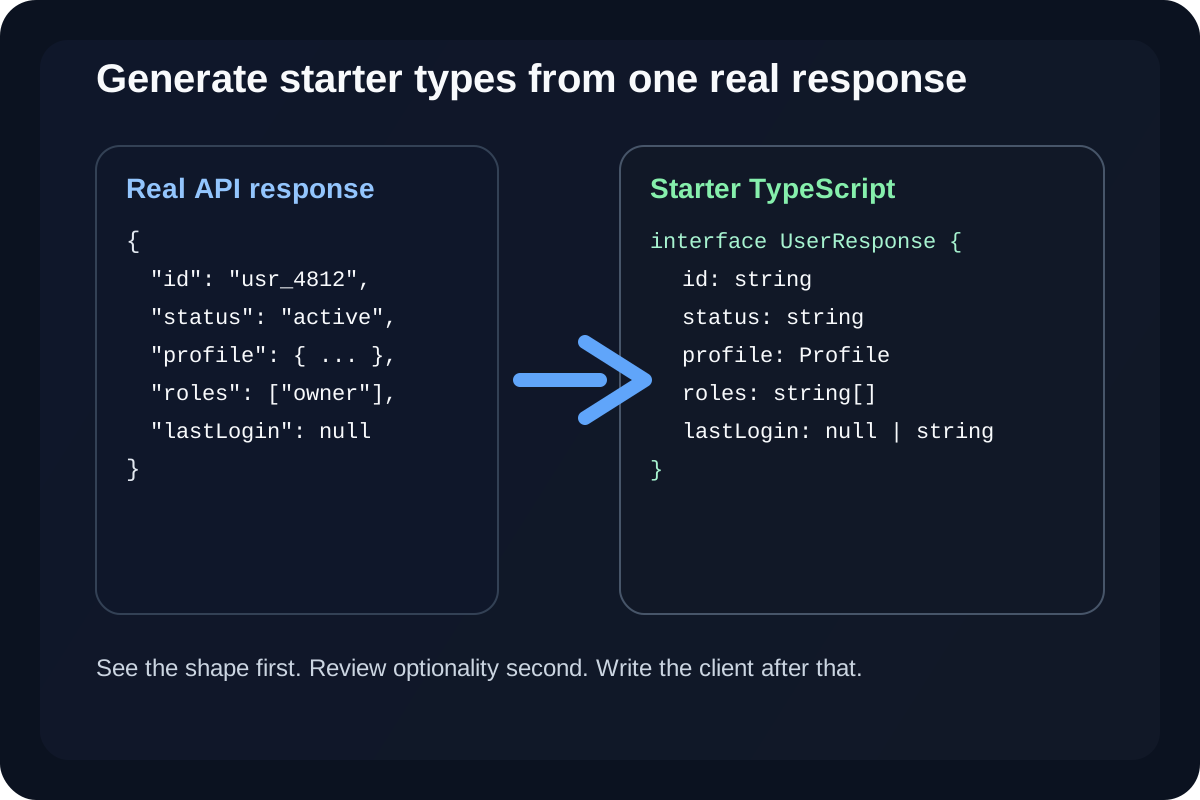
The fastest time to generate starter types is the moment you have one realistic response in hand and before the rest of the client code hardens around guesses. That response may come from a staging endpoint, an API example in docs, or a captured payload from a failing request. The point is not to freeze the contract forever. The point is to begin with visible structure instead of ad hoc property access.
What counts as a good sample
- Use one complete response rather than a cropped screenshot or a partial log line.
- Prefer a payload that includes nested objects, arrays, and at least one optional-looking branch.
- Remove secrets or personal data, but keep the structural shape intact.
- If the endpoint returns a list, include enough rows to reveal the repeated object structure clearly.
A short JSON to TypeScript tutorial
- Paste the real response into JSON to TypeScript and generate the first interface draft.
- Rename generic interface names so they match the domain language in the codebase.
- Review fields that might be nullable, optional, or broader than the single sample suggests.
- Copy the starter types into the client or test fixture area only after the shape is readable and intentional.
- Adjust the generated output once the second or third real response reveals cases the first sample did not show.
Why this is better than typing from memory
Hand-writing interfaces from memory usually bakes in assumptions about nesting, array items, and field names before the payload is inspected carefully. Generating the first pass from actual JSON keeps the observed structure visible and cuts down on clerical typing, which means more attention can go toward the parts inference cannot decide for you.
What to review before you trust the result
Treat the generated interfaces as starter types, not final truth. Check fields that may disappear, values that are really enums, date strings that should stay strings, and IDs that look numeric but should still be handled as opaque identifiers. The tool gives you a clean starting structure. The production contract still comes from repeated real responses and API rules.
Related UtilFlow moves
Use JSON Validator first if the copied payload is malformed. Use JSON Formatter when the response is too dense to inspect comfortably, and use JSON Compare later when a new endpoint version changes shape and you need to see exactly what moved.
FAQ
What is the best JSON sample to use for starter TypeScript types?
Use a realistic full response that includes the nested branches and null cases you actually expect to handle, not a cropped or idealized example.
Does generated TypeScript from JSON replace API documentation?
No. It accelerates the first draft, but documentation and repeated real responses still define the true contract and edge cases.
When should I regenerate the types?
Regenerate or revise them when new endpoint samples reveal optional fields, null values, array variants, or renamed properties that the first sample did not include.